The Ultimate Guide to All Purpose Cleaners (APC)
What is All Purpose Cleaner (APC)?
An All Purpose Cleaner is the "Swiss Army Knife" of car detailing. It is a concentrated surfactant based chemical designed to emulsify dirt, grease, and organic grime on almost any surface. Unlike specific cleaners like glass or leather cleaners, an APC can be adjusted by adding water to change its strength. At RIOAUTOHUB we offer both heavy duty alkaline degreasers for exterior grime and gentle citrus based APCs for delicate interior surfaces.
How to Choose and Dilute APC
The power of an APC lies in its dilution ratio. Most products sold on RIOAUTOHUB are concentrates meaning one bottle makes gallons of usable cleaner.
- Heavy Duty (1:4 to 1:10): Use a stronger mix for cleaning engine bays, tires, wheel wells, and removing bugs from the front bumper. This ratio cuts through oil and heavy road film.
- Medium Duty (1:10 to 1:20): Ideal for door jambs, fuel caps, and dirty floor mats.
- Light Duty (1:30 to 1:50): Use a weak solution for interior dashboard cleaning, leather seats, and delicate plastics to ensure you clean without chemical staining.
Step-by-Step APC Usage Guide
To get the best results you need a spray bottle and a detailing brush.
- Dilute: Mix your product in a spray bottle according to the job (e.g., 1:10 for wheels).
- Test: If working on a sensitive interior surface always test a small spot first to ensure color fastness.
- Apply: Spray the APC directly onto the brush or towel (for interiors) or onto the surface (for exteriors like tires).
- Agitate: Use a soft detailing brush to work the product into the crevices, badges, or texture of the plastic. This creates a foam that lifts the dirt.
- Wipe/Rinse: Wipe away the residue with a damp microfiber cloth or rinse thoroughly with water if working on the exterior.
Common APC Mistakes to Avoid
- Letting it Dry: Never let APC dry on the surface. It can leave permanent white spots or chemical etching especially on hot plastics or glass.
- Using Too Strong: Using a heavy duty ratio (1:4) on a delicate leather seat or infotainment screen can strip the dye or damage the anti-glare coating. Always start weak.
- Skipping the Rinse: APCs are alkaline. If you don't wipe or rinse them off completely the residue can reactivate later and attract more dust or irritate your skin.
Frequently Asked Questions about APC
Q: Can I use APC to wash my whole car?
A: It is not recommended for a full wash. APC removes wax and sealants so using it on the paint will strip your protection. It is great for spot cleaning badges and grilles but stick to pH neutral shampoo for the rest of the bodywork.
Q: Is APC safe for leather seats?
A: Yes, provided it is diluted correctly (usually 1:20 or weaker) and the leather is coated (which most modern car leather is). However, for high end Nappa or aniline leather we always recommend using a dedicated Leather Cleaner from RIOAUTOHUB to be safe.
Q: What is the difference between APC and Degreaser?
A: A degreaser is essentially a very strong, highly alkaline APC designed specifically for oil and grease (like engines and tires). A standard citrus APC is gentler and safer for a wider variety of surfaces including interiors.


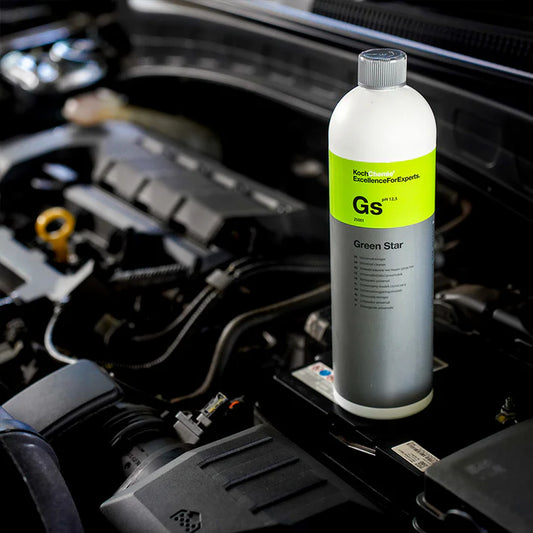 Sold out


