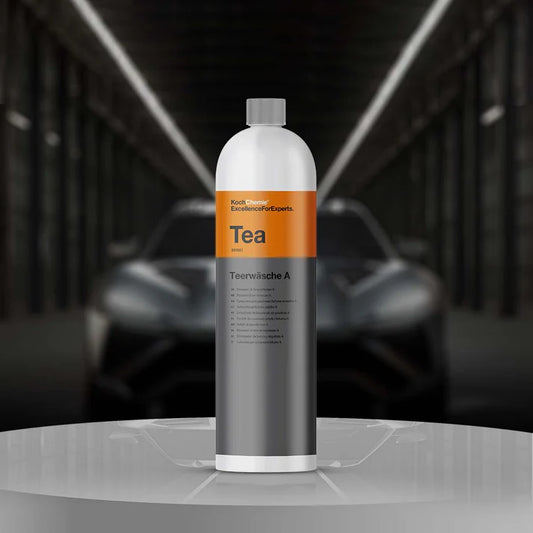
The Ultimate Guide to Tar & Glue Removal
What are Tar Removers and How Do They Work?
If you see small black spots on your lower doors or wheels that cannot be washed off with shampoo you are likely looking at road tar. Tar is petroleum based which means water based cleaners like car shampoo cannot dissolve it. You need a specialized solvent based "Tar & Glue Remover" available at RIOAUTOHUB. These products chemically break down the bond between the tar and your paint turning the hard speck into a liquid streak that can be simply wiped away.
When to Use a Tar Remover
Tar removal is a decontamination step that should be done after washing but before claying or polishing.
- After Road Trips: Highway driving on fresh asphalt is the number one cause of tar buildup.
- Before Polishing: If you polish a car that still has tar on it the pad will pick up the tar and drag it across the paint causing massive damage.
- Removing Sticker Residue: These solvents are excellent for removing the sticky glue left behind after peeling off badges, decals, or window tints.
- Tree Sap: Many tar removers are also effective at dissolving hardened tree sap which can etch paint if left untreated.
Step-by-Step Tar Removal Process
Solvents work best on dry surfaces. Water can dilute the product and make it less effective.
- Wash and Dry: Clean the vehicle thoroughly to remove loose dirt. Dry the area you plan to treat.
- Apply Product: Spray the tar remover directly onto the tar spots. Focus on the lower rocker panels and behind the wheels.
- Observe: You will see the black spots start to "bleed" or run down the panel in brown streaks. This means the tar is melting.
- Wipe Gently: After 1 to 2 minutes gently wipe the area with an old microfiber towel (solvents can ruin towels so don't use your best one).
- Rinse Thoroughly: This is critical. Solvents can damage plastics if left too long. Rinse the panel with water and soap immediately after wiping to neutralize the chemical.
Common Tar Removal Mistakes to Avoid
- Spraying on Sensitive Plastics: Solvent cleaners can sometimes melt or stain unpainted plastic trims and polycarbonate headlights. Always test a small spot first or tape off sensitive areas.
- Scrubbing Hard: If the tar is thick do not scrub it. Apply more product and let it dwell longer. Scrubbing gritty tar will scratch the paint.
- Applying to Hot Paint: Never use solvents on a hot car. The chemical will evaporate before it can work and may leave difficult stains.
Frequently Asked Questions about Tar Removers
Q: Will tar remover damage my ceramic coating?
A: Most quality ceramic coatings are chemically resistant and can withstand occasional use of tar remover. However, repeated heavy use may degrade the coating's hydrophobic layer over time so always rinse thoroughly and consider using a ceramic booster spray afterwards.
Q: Can I use kerosene or diesel instead?
A: While old school detailers used kerosene it is messy, smelly, and leaves a heavy oily film that is hard to remove. Dedicated tar removers sold at RIOAUTOHUB are formulated with emulsifiers that allow them to be rinsed off easily with water making them much safer and cleaner to use.
Q: Is tar remover the same as iron remover?
A: No. Tar remover dissolves organic sticky substances like asphalt and glue. Iron remover dissolves inorganic metallic fallout like brake dust. They are two different chemicals for two different types of contamination.


 Sold out
 Sale
Sale