The Ultimate Guide to Insect & Bug Removal
Why is Bug Splatter Dangerous for Paint?
Insect residue is not just unsightly; it is chemically dangerous. Bug guts are highly acidic and contain enzymes intended to break down the insect's body. When these splatter onto your car they immediately begin to eat into (etch) the clear coat. If left baking in the sun this can cause permanent pitting that requires heavy polishing to fix. RIOAUTOHUB offers dedicated insect removers that neutralize this acid and break down the proteins chemically so they can be removed safely.
How Insect Removers Work
Unlike standard soaps, insect removers use specific chemistry (often citrus or enzyme based) to target organic proteins.
- Chemical Dissolution: They soften the hard, dried shell of the insect and liquefy the internal fluids.
- Touchless Safety: By softening the residue chemically you reduce the need to scrub with a sponge. Scrubbing hard on a dried bug is a guaranteed way to scratch your paint.
- Surface Compatibility: Premium bug removers found on RIOAUTOHUB are safe for use on glass, chrome, plastic bumpers, and paintwork.
Step-by-Step Bug Removal Process
Speed is key. The sooner you remove the bugs the less damage they do.
- Cool the Surface: Never spray bug remover on a hot car. The chemical will evaporate instantly and could stain. Rinse the bumper with water first to cool it down.
- Spray Liberally: Coat the affected area (bumper, mirrors, windshield) with the insect remover.
- Allow Dwell Time: Let the product sit for 3 to 5 minutes. You need to give the chemistry time to break down the proteins.
- Agitate (If Needed): For very old, baked on bugs use a specialized "bug sponge" (soft mesh) gently. Do not use force.
- Pressure Rinse: Blast the residue away with a pressure washer.
Common Bug Removal Mistakes to Avoid
- Scrubbing Too Hard: This is the #1 cause of scratches on front bumpers. If the bug won't come off, apply more chemical and wait longer. Do not scrub harder.
- Using Kitchen Sponges: Never use the green side of a household dish sponge. It is abrasive and will instantly sand your clear coat leaving a dull patch.
- Ignoring the Mirrors: Side mirrors often have thinner paint or plastic covers that are easily damaged by acidic bug guts. Treat them with the same care as the hood.
Frequently Asked Questions about Insect Removers
Q: Can I just use car shampoo to remove bugs?
A: For fresh splatters shampoo might work, but for dried bugs shampoo is rarely strong enough to dissolve the protein bond. You will end up scrubbing too hard to compensate. A dedicated insect remover dissolves the bond chemically making removal effortless and safer.
Q: Will insect remover strip my wax?
A: Stronger alkaline bug removers can degrade natural carnauba waxes. However, many modern formulas available at RIOAUTOHUB are pH balanced to be safe for ceramic coatings and synthetic sealants. Check the product label for "wax safe" confirmation.
Q: How do I prevent bugs from sticking in the future?
A: The best defense is a slick surface. Applying a ceramic coating or a high quality sealant makes the paint slippery preventing bugs from bonding strongly. This makes them much easier to rinse off during your next maintenance wash.


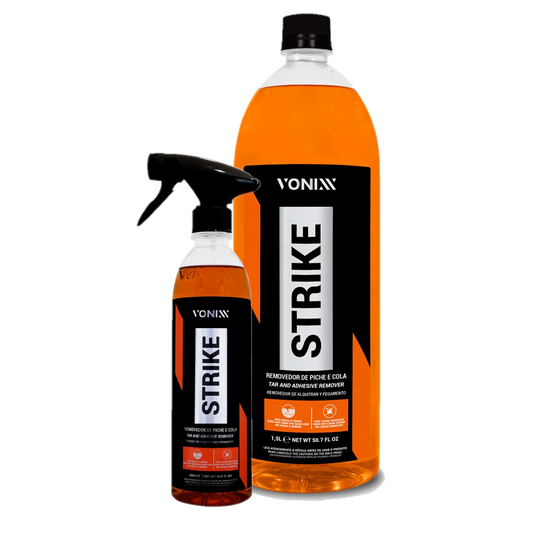 Sold out
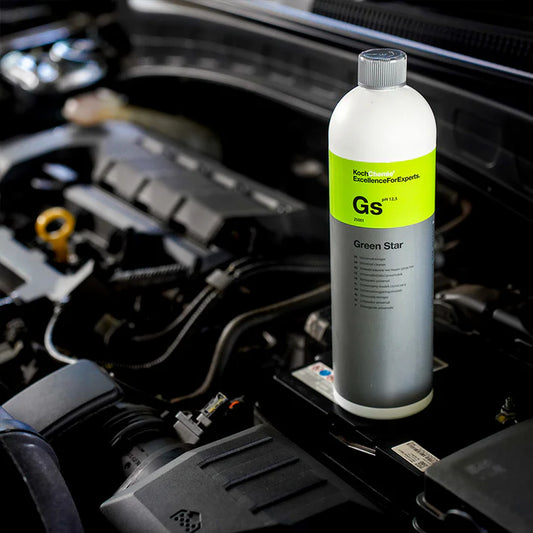 Sold out
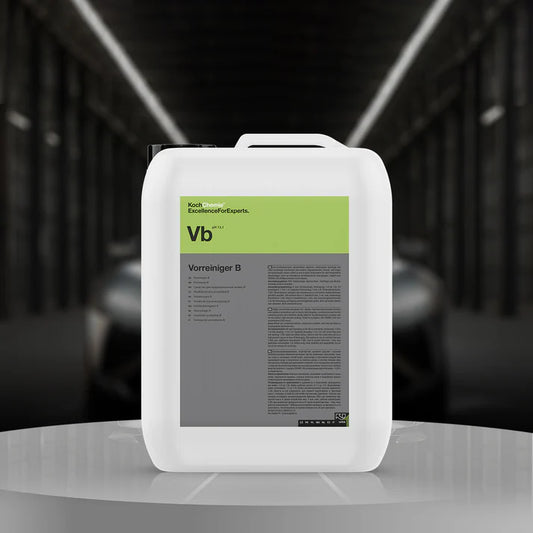 Sold out


